/filters:format(jpeg,png)/fit-in/300x300/guide_websites/3987/images/275236082_4865297800219567_9093143645990553336_n.jpg)
/filters:format(jpeg,png)/fit-in/237x80/guide_websites/3987/images/275236082_4865297800219567_9093143645990553336_n.jpg)
Vermilion Fishing Report
%2Ffit-in%2F1000x1000%2Ffilters%3Aformat(webp)%2Fguide_websites%2F3987%2Fimages%2F1753856307003500063503_1239040374897300_2229376835363058475_n.jpg&w=1920&q=75)
Published: August 19, 2026
Planning a successful day on Lake Erie starts with understanding current fishing conditions. Fish locations, water temperatures, weather patterns, and seasonal migrations can change quickly, making yesterday's hotspot less productive today. Whether you're targeting walleye, yellow perch, or smallmouth bass, keeping up with a reliable fishing report helps you make smarter decisions before leaving the dock. This guide explains what typically influences fishing around Vermilion and how seasonal conditions shape the opportunities anglers experience throughout the year.
What Influences the Vermilion Fishing Report?
A fishing report is more than a list of recent catches. It combines changing lake conditions, fish behavior, and weather patterns to give anglers a clearer picture of what they can expect before launching. Understanding these factors helps explain why fishing success can vary from one trip to the next.
- Water Temperature: Changes throughout the season influence feeding activity, migration, and the depths where fish are commonly found.
- Wind Direction: Wind affects wave conditions, water clarity, and baitfish movement, often shifting where predator fish become active.
- Seasonal Fish Movement: Different species move across Lake Erie as spawning cycles, forage availability, and water temperatures change.
- Recent Weather: Cold fronts, heavy rain, or extended calm periods can temporarily influence fish behavior and daily bite patterns.
Current Species Activity Around Vermilion
Fishing opportunities change throughout the year, but anglers can usually target several popular species during the open-water season. Understanding current Vermilion Ohio fishing patterns helps you choose the right equipment and fishing strategy before heading onto Lake Erie.
Walleye Activity
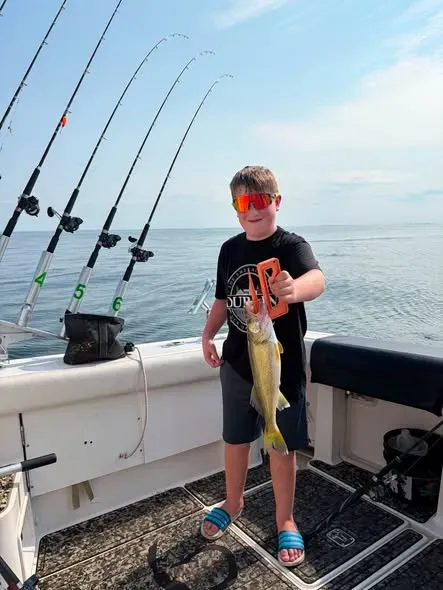
Walleyes remain the primary target for many anglers visiting Vermilion. Their location changes throughout the season as they follow baitfish and respond to water temperature, making trolling and other search techniques especially productive.
Yellow Perch Activity
Yellow perch often gather in schools, creating excellent opportunities once active fish are located. Seasonal movement determines where these schools concentrate during different parts of the year.
Smallmouth Bass Opportunities
Rocky shorelines, reefs, and underwater structure provide ideal habitat for smallmouth bass. These aggressive fish offer exciting action for anglers using a variety of presentations.
Seasonal Bonus Species
Depending on the season, anglers may also encounter freshwater drum, white bass, steelhead, or other Lake Erie species while targeting their primary catch.
How Fishing Conditions Change Throughout the Season
No two seasons fish exactly the same on Lake Erie. Water temperatures, forage movement, and changing weather create different opportunities throughout the year, making seasonal planning an important part of a successful fishing trip.
- Spring
- Post-spawn walleyes begin feeding aggressively.
- Cooler water keeps many fish within reachable depths.
- Changing weather patterns require flexible planning.
- Summer
- Larger schools often move farther offshore.
- Stable weather supports consistent fishing conditions.
- Trolling becomes one of the most effective approaches.
- Late Summer
- Yellow perch fishing often improves considerably.
- Walleyes continue following schools of baitfish.
- Daily conditions may determine how deep fish are holding.
- Fall
- Cooling water encourages heavier feeding.
- Larger walleyes become increasingly active.
- Comfortable temperatures make for enjoyable days on the water.
Before You Leave the Dock: Making the Most of a Fishing Report
Checking a Lake Erie fishing report is only the first step. Knowing how to use that information can help you spend less time searching and more time fishing. Instead of following yesterday's exact pattern, use the report as a guide while staying prepared to adjust once you're on the water.
1. Compare Multiple Days of Activity
Look for consistent trends rather than focusing on a single successful report. If anglers have been finding fish in similar depths or areas over several days, those patterns are more likely to continue.
2. Match Your Equipment to Current Conditions
Choose lures, bait, and tackle that fit the reported water clarity, target species, and fishing depth. Having several options available makes it easier to adjust if conditions change.
3. Build Flexibility into Your Plan
Fish don't always stay in the same location. Have a few backup areas in mind and be willing to change depth, speed, or presentation if the bite slows.
4. Pay Attention to Lake Conditions
Wave height, wind direction, and water temperature often influence where fish are feeding. Safe boating conditions should always come before fishing plans.
5. Learn from Every Trip
Compare your results with the fishing report after each outing. Over time, you'll begin recognizing patterns that help you make better decisions on future trips.
Practical Tips That Often Lead to Better Fishing
Even when the fishing report is favorable, small adjustments throughout the day can make a noticeable difference. Experienced anglers continuously observe changing conditions rather than relying on one approach from start to finish.
- Watch Bait Activity: Schools of baitfish often attract larger predator species, making them excellent areas to investigate.
- Adjust Your Depth: If fish aren't responding, try fishing slightly deeper or shallower before changing locations.
- Experiment with Speed: Small changes in trolling or retrieve speed can trigger strikes from inactive fish.
- Stay Patient but Observant: Give productive areas enough time, but don't hesitate to move if conditions suggest fish have relocated.
Why Fishing Reports Matter Even for Experienced Anglers
Experience certainly helps on Lake Erie, but no two days are exactly alike. Weather, wind, water temperature, and fish movement constantly influence fishing conditions, making current information valuable for anglers of every skill level.
Instead of replacing local knowledge, fishing reports complement it by providing recent observations that help anglers make informed decisions before launching. Combining preparation with flexibility usually produces the best results.
Stay Ahead of Changing Conditions with Captain Ken's Wild Wings
Fishing conditions on Lake Erie can change quickly, which is why local knowledge makes such a difference. Captain Ken's Wild Wings stays on top of seasonal fish movements, weather patterns, and daily lake conditions to help anglers spend more time fishing productive water. Rather than relying on yesterday's information, every trip is planned around what the lake is doing that day.
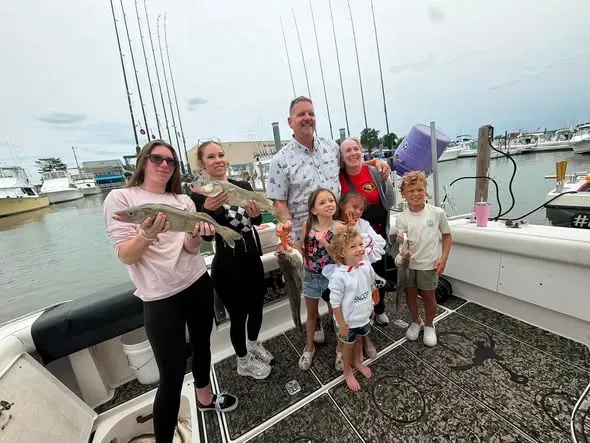
Whether you're targeting walleye, yellow perch, or another popular Lake Erie species, you'll benefit from experienced guidance, quality equipment, and a fishing plan that adapts as conditions change. It's an enjoyable way for anglers of all experience levels to explore the waters around Vermilion with greater confidence.
Conclusion
A fishing report is one of the most valuable tools for planning a successful day on Lake Erie. By understanding how weather, seasonal fish movement, and water conditions affect the bite, anglers can make smarter decisions before leaving the dock and adapt more effectively once they're on the water. Staying informed not only improves your chances of catching fish but also helps you enjoy a safer and more rewarding experience.
Ready to put the latest fishing conditions to work? Book your next Lake Erie adventure with Captain Ken's Wild Wings and enjoy a guided trip built around current patterns, local expertise, and productive fishing opportunities.
Frequently Asked Questions
1. How often should I check the Vermilion fishing report?
It's best to review the latest report before every trip since Lake Erie conditions and fish activity can change from day to day.
2. What information is usually included in a fishing report?
Most reports cover recent catches, target species, water conditions, weather, productive depths, and recommended techniques.
3. Which fish are commonly caught near Vermilion?
Walleye, yellow perch, smallmouth bass, freshwater drum, and seasonal steelhead are among the most common catches.
4. Why does the weather affect fishing on Lake Erie?
Wind, temperature, cloud cover, and changing weather systems influence fish movement, feeding activity, and water conditions.
5. Can beginners use fishing reports effectively?
Yes. Fishing reports provide useful information that helps anglers choose better locations, techniques, and fishing times.
6. Do fish stay in the same location every day?
No. Fish move in response to changing water temperatures, baitfish, weather, and seasonal patterns.
7. Should I change my fishing technique if the bite slows?
Yes. Adjusting your depth, lure selection, presentation, or location often improves your chances of finding active fish.
8. Are fishing reports helpful throughout the entire season?
Absolutely. They provide valuable updates during spring, summer, fall, and any other period when anglers are on the water.
9. Do guided fishing trips use current fishing reports?
Yes. Professional guides combine recent reports with firsthand knowledge and real-time observations to plan each trip.
10. Why choose Captain Ken's Wild Wings?
Captain Ken's Wild Wings offers local Lake Erie expertise, personalized guided trips, and strategies that adapt to current fishing conditions, helping anglers enjoy productive and memorable days on the water.