/filters:format(jpeg,png)/fit-in/300x300/guide_websites/3987/images/275236082_4865297800219567_9093143645990553336_n.jpg)
/filters:format(jpeg,png)/fit-in/237x80/guide_websites/3987/images/275236082_4865297800219567_9093143645990553336_n.jpg)
Steelhead Fishing Guide
%2Ffit-in%2F1000x1000%2Ffilters%3Aformat(webp)%2Fguide_websites%2F3987%2Fimages%2F1753856307003500063503_1239040374897300_2229376835363058475_n.jpg&w=1920&q=75)
Published: August 19, 2026
Steelhead are among the most exciting sport fish found in Lake Ontario, prized for their speed, powerful runs, and spectacular aerial jumps. Unlike many freshwater species, steelhead remain highly active across multiple seasons, giving anglers opportunities to target them under a variety of conditions. Their movements are closely tied to water temperature, baitfish, and seasonal weather patterns, making preparation an important part of every trip. This guide explains when to fish, where steelhead are commonly found, and what anglers should know before heading onto the lake.
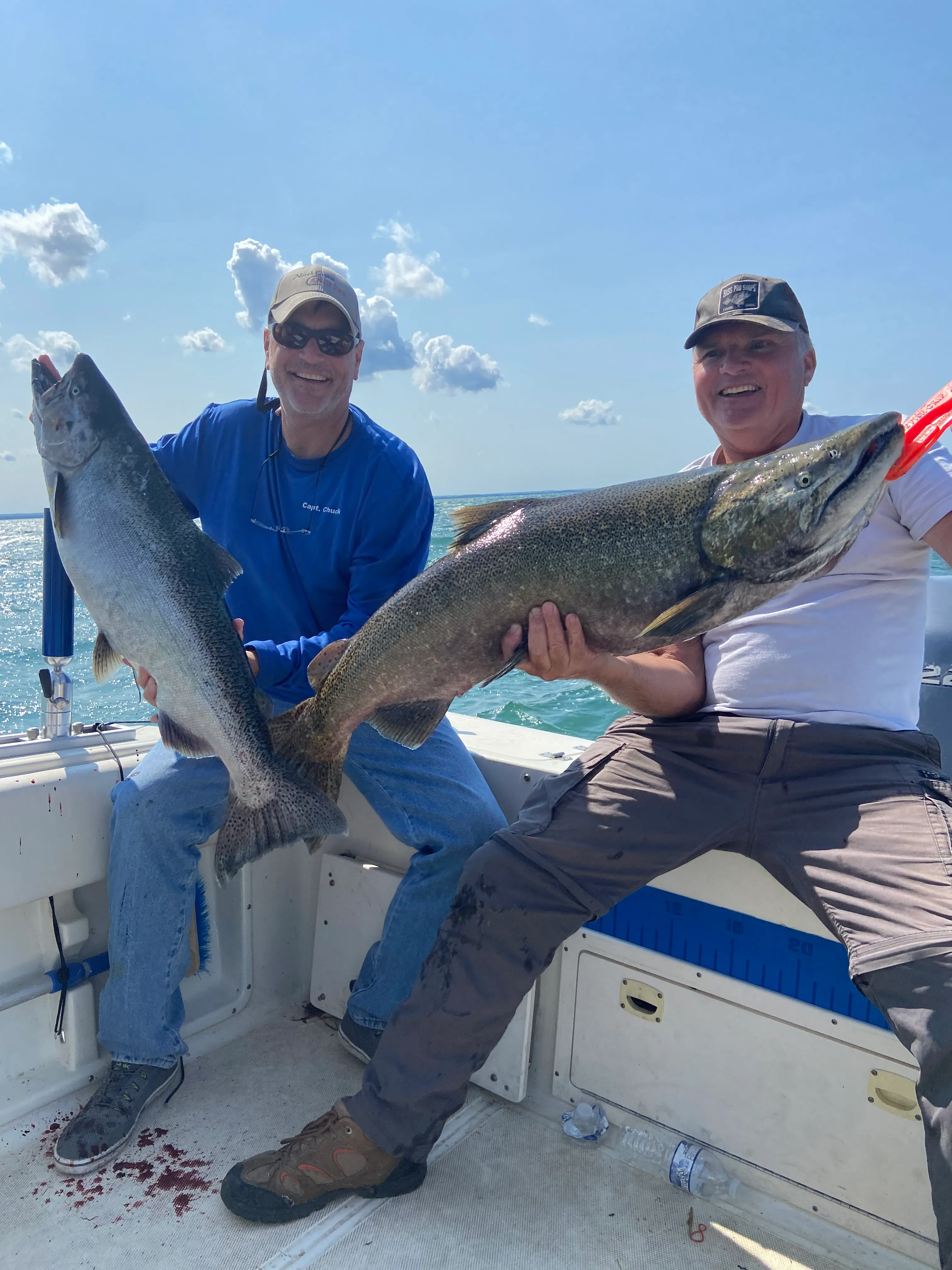
Following Steelhead Through the Seasons
Steelhead constantly adjust their location as Lake Ontario changes throughout the year. Understanding these seasonal movements makes steelhead fishing on Lake Ontario more predictable and helps anglers focus on areas where fish are most likely to be feeding.
Spring Feeding Patterns
As water temperatures gradually increase, steelhead become more active after winter. They often feed aggressively on baitfish and other forage, creating consistent opportunities for anglers trolling nearshore waters before fish begin spreading farther offshore.
Summer Offshore Movement
During summer, steelhead usually move into deeper offshore waters where cooler temperatures and abundant baitfish create favorable feeding conditions. They frequently suspend over deep water rather than holding directly on the bottom, making depth control especially important.
Early Fall Changes
Cooling temperatures encourage steelhead to become increasingly active. Many continue feeding offshore while others gradually begin shifting toward areas influenced by tributaries, depending on water conditions and seasonal timing.
Late Fall Opportunities
Late fall provides another productive period as changing temperatures influence fish movement. While conditions vary from year to year, anglers willing to adapt to weather and water conditions can continue finding active steelhead.
What Makes Steelhead Different from Other Lake Ontario Fish
Steelhead share Lake Ontario with several popular game fish, but they behave differently in ways that create a unique fishing experience. Understanding these differences helps anglers adjust their approach throughout the season.
- Fight: Steelhead are famous for explosive runs, repeated jumps, and powerful bursts that often continue throughout the battle.
- Habitat: Rather than staying close to the bottom, steelhead frequently suspend over deep open water while following schools of baitfish.
- Feeding Habits: Their feeding activity closely follows the movement of alewives and other forage, making bait concentrations an important clue for anglers.
- Seasonality: Steelhead remain active across much of the year, shifting location as water temperatures change instead of remaining in one area.
- Other Species: While targeting steelhead, anglers may also encounter salmon or trout depending on the season, and many fishermen choose to book a brown trout charter during periods when those fish are especially active.
Finding Active Steelhead on the Lake
Locating steelhead is often more important than choosing the perfect lure. Because these fish spend much of their time suspended over open water, successful anglers focus on changing lake conditions rather than fixed fishing spots.
1. Offshore Temperature Breaks
Steelhead commonly gather near temperature transitions where cooler water and abundant baitfish create productive feeding zones.
2. Baitfish Schools
Large concentrations of alewives and other forage species often attract actively feeding steelhead throughout the season.
3. Surface Activity
Birds diving, baitfish breaking the surface, or visible feeding activity can all indicate steelhead are nearby.
4. Suspended Water Columns
Instead of remaining close to the lake bottom, steelhead frequently hold at varying depths, making electronics valuable for locating fish.
5. Changing Weather Conditions
Wind direction, cloud cover, and water temperature can influence where steelhead feed from one day to the next, making flexibility an important part of every trip.
Fishing Methods That Produce Consistent Results
Steelhead are aggressive predators, but they don't always respond to the same presentation every day. Successful anglers adjust their equipment, lure selection, and trolling pattern as water conditions and fish behavior change. During certain parts of the season, many captains running a king salmon charter Lake Ontario also target steelhead because both species often share productive offshore waters.
Downrigger Presentations
Downriggers allow anglers to present lures at controlled depths where suspended steelhead are actively feeding. Small adjustments in depth throughout the day can make a significant difference as fish move with changing water temperatures.
Planer Boards
Planer boards spread multiple lines away from the boat, allowing anglers to cover a wider section of water. This presentation is especially useful when steelhead are feeding higher in the water column or scattered across large offshore areas.
Lead Core Lines
Lead core setups help place lures below the surface without relying entirely on downriggers. They offer flexibility when fish are suspended at mid-depths and can be adjusted by changing the amount of line deployed.
Spoon Selection
Bright, reflective spoons often imitate the baitfish steelhead feed on throughout much of the season. Lure color, size, and action may need to change as water clarity and light conditions vary.
Adjusting Boat Speed
Steelhead can be selective about lure action. Slight increases or decreases in trolling speed often trigger strikes, especially when fish appear on electronics but aren't actively biting.
Reading Lake Conditions Before You Fish
Lake Ontario rarely looks the same two days in a row. Paying attention to changing conditions before and during your trip helps you decide where to fish and how to present your lures.
Water Temperature
- Steelhead usually stay near water temperatures that support active feeding.
- Temperature breaks often become productive trolling areas.
Water Clarity
- Clear water may require more natural lure colors.
- Stained water often calls for brighter, more visible presentations.
Wind
- Wind influences surface currents and baitfish movement.
- Moderate wind can sometimes improve feeding activity.
Weather Changes
- Passing weather systems may temporarily affect fish behavior.
- Stable conditions often lead to more consistent fishing patterns.
Mistakes That Often Reduce Steelhead Success
Even experienced anglers occasionally overlook small details that can affect their catch rate. Recognizing these common mistakes helps you adapt more quickly when conditions change.
- Fishing Too Deep: Steelhead often suspend well above the lake bottom, so fishing deeper than the active zone may reduce opportunities.
- Ignoring Water Temperature: Productive areas shift as temperatures change throughout the season, making temperature monitoring an important part of every trip.
- Using the Same Lure All Day: Fish preferences can change with weather, sunlight, and water clarity, so rotating lure colors and sizes is often beneficial.
- Maintaining One Trolling Speed: Small speed adjustments frequently change lure action enough to encourage reluctant fish to strike.
- Staying in One Area Too Long: If electronics show little bait or fish activity, relocating to another area can often produce better results.
Fish Lake Ontario with Captain Ken's Wild Wings
Steelhead fishing is most rewarding when you have an experienced captain who understands how fish respond to changing lake conditions throughout the season. Captain Ken's Wild Wings plans every trip using current weather patterns, water temperatures, baitfish activity, and recent fishing reports instead of relying on yesterday's locations. That local knowledge helps anglers spend more time fishing productive water and less time searching for active fish.
Whether you're planning your first steelhead trip or returning to improve your skills, Captain Ken's Wild Wings provides quality equipment, proven techniques, and personalized guidance throughout the day. As a trusted Lake Ontario fishing guide, Captain Ken focuses on creating enjoyable fishing experiences while helping anglers target steelhead and other seasonal species that make Lake Ontario one of North America's premier freshwater fisheries.
Conclusion
Steelhead are one of the most exciting fish to pursue on Lake Ontario, offering hard fights, spectacular jumps, and consistent opportunities throughout much of the year. Learning how seasonal movements, water conditions, and fishing techniques influence their behavior can greatly improve your success on the water. With the right preparation and a willingness to adapt to changing conditions, every trip offers the chance to hook an unforgettable fish.
Ready to experience the excitement of Lake Ontario steelhead fishing? Book your next adventure with Captain Ken's Wild Wings and enjoy expert guidance, local knowledge, and a memorable day chasing one of the lake's most thrilling sport fish.
Frequently Asked Questions
1. When is the best time to catch steelhead on Lake Ontario?
Steelhead can be caught during much of the year, with spring, summer, and fall each offering productive fishing opportunities under different conditions.
2. Where are steelhead usually found during summer?
They commonly suspend over deep offshore water, often near temperature breaks and schools of baitfish.
3. What lures work well for steelhead?
Spoons, plugs, and other trolling lures that imitate baitfish are among the most effective choices throughout the season.
4. Why do steelhead jump so much after being hooked?
Steelhead are known for their powerful runs and repeated aerial jumps, making them one of the most exciting freshwater sport fish to catch.
5. Can beginners catch steelhead on Lake Ontario?
Yes. Guided charters provide the equipment, instruction, and local knowledge needed for anglers of all experience levels.
6. Are steelhead and rainbow trout the same fish?
Steelhead are the migratory form of rainbow trout and spend much of their lives in large bodies of water before returning to tributaries.
7. Can I catch steelhead and salmon on the same trip?
Yes. Depending on the season and current conditions, many anglers successfully target both species during the same outing.
8. Does weather affect steelhead fishing?
Yes. Water temperature, wind, cloud cover, and baitfish movement all influence where steelhead are likely to be found.
9. What should I bring on a steelhead charter?
Bring weather-appropriate clothing, non-slip shoes, polarized sunglasses, sunscreen, food, drinks, and any required fishing license.
10. Why choose Captain Ken's Wild Wings?
Captain Ken's Wild Wings combines local Lake Ontario expertise, quality equipment, and personalized guided trips to help anglers enjoy productive, safe, and memorable steelhead fishing adventures.