/filters:format(jpeg,png)/fit-in/300x300/guide_websites/3987/images/275236082_4865297800219567_9093143645990553336_n.jpg)
/filters:format(jpeg,png)/fit-in/237x80/guide_websites/3987/images/275236082_4865297800219567_9093143645990553336_n.jpg)
King Salmon Season in Lake Ontario
%2Ffit-in%2F1000x1000%2Ffilters%3Aformat(webp)%2Fguide_websites%2F3987%2Fimages%2F1753856307003500063503_1239040374897300_2229376835363058475_n.jpg&w=1920&q=75)
Published: August 19, 2026
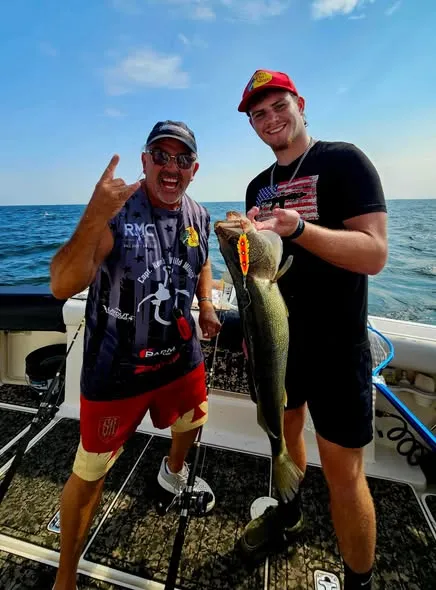
King salmon, also known as Chinook salmon, are among the most sought-after sport fish in Lake Ontario. Known for their powerful runs, large size, and exciting fights, they attract anglers from across the United States and Canada every season. While salmon can be caught for much of the year, their location and behavior change with water temperatures, baitfish movements, and spawning cycles. Understanding these seasonal patterns can help you choose the best time to fish and improve your chances of landing a memorable catch.
Understanding the King Salmon Season
King salmon are constantly on the move throughout the year. As water temperatures change, they travel between nearshore and offshore waters before eventually staging near tributaries for spawning. Knowing these seasonal movements is one of the most important parts of successful King salmon fishing on Lake Ontario.
Spring Fishing Opportunities
As Lake Ontario begins to warm, baitfish move closer to shore, and King salmon often follow. During this period, anglers can find fish in relatively shallow water, making spring an excellent time to begin the season.
Summer Offshore Action
As surface temperatures rise, salmon move into deeper offshore waters where cooler temperatures and abundant baitfish create ideal feeding conditions. This is when many anglers begin targeting fish using trolling techniques over deeper water.
Late Summer Peak Season
Late summer is widely considered one of the most exciting periods for King salmon fishing. Mature fish become larger and increasingly aggressive as they prepare for their annual spawning migration.
Fall Salmon Run
As spawning season approaches, many King salmon begin moving toward river mouths and tributaries. Although their feeding behavior changes, anglers still have opportunities to catch powerful fish during this exciting seasonal transition.
Month-by-Month King Salmon Activity
Fishing opportunities continue to evolve throughout the season. While weather and annual conditions influence fish movement, understanding these general patterns helps anglers plan productive Lake Ontario salmon fishing trips.
- April–May
- Nearshore waters begin producing consistent action.
- Cooler water temperatures keep fish relatively shallow.
- Early-season trolling becomes increasingly productive.
- June–July
- Salmon gradually move offshore following schools of baitfish.
- Larger areas of deep water become productive.
- Consistent action develops as summer progresses.
- August
- Mature King salmon reach impressive sizes.
- Peak fishing season attracts anglers from across the region.
- Trophy fish become a realistic possibility.
- September
- Salmon begin staging near river mouths.
- Many fish prepare for spawning migrations.
- Aggressive behavior often creates exciting fishing opportunities.
- October
- Remaining fish continue moving into tributaries.
- Fishing success depends on weather, water conditions, and timing.
- Late-season anglers may still encounter quality salmon.
Where King Salmon Are Commonly Found
Finding King salmon becomes much easier when you understand how they use different parts of Lake Ontario throughout the season. Instead of remaining in one area year-round, they move as water temperatures and forage change.
- Nearshore Waters: Excellent during early spring when cooler temperatures keep baitfish and salmon close to shore.
- Offshore Temperature Breaks: Summer salmon commonly hold near temperature changes where baitfish concentrate.
- Deep Water Structure: Underwater contours and open-water feeding zones attract actively feeding salmon.
- River Mouths: During late summer and fall, staging fish often gather near tributaries before beginning their spawning migration.
Proven Techniques for Catching King Salmon
King salmon are powerful fish that often require specialized equipment and presentations. While conditions change throughout the season, experienced captains adjust their approach based on fish location, water temperature, and bait activity. Mastering King salmon trolling techniques is one of the most effective ways to consistently locate and catch Chinook salmon on Lake Ontario.
1. Downrigger Trolling
Downriggers allow anglers to present lures at precise depths where salmon are actively feeding, making them one of the most popular tools during the offshore season.
2. Dipsy Diver Presentations
Dipsy divers spread lines away from the boat while reaching productive depths, allowing anglers to cover more water efficiently.
3. Copper and Lead Core Lines
These weighted line systems help deliver lures into deeper water without relying entirely on downriggers, especially when salmon are suspended.
4. Spoons
Trolling spoons imitate injured baitfish and remain one of the most productive lure choices throughout much of the season.
5. Flashers and Fly Rigs
Flashers create attraction while trailing flies imitate baitfish, making this combination highly effective for mature King salmon.
What to Expect During a King Salmon Fight
Landing a King salmon is one of the biggest reasons anglers return to Lake Ontario year after year. Their size, strength, and stamina create an exciting challenge from the moment they strike until they're safely in the net.
- Powerful Initial Runs: King salmon often make long, fast runs immediately after being hooked.
- Sudden Direction Changes: Fish frequently change direction, requiring constant attention and steady pressure.
- Deep Diving: Larger salmon may dive toward deeper water before returning to the surface.
- Final Boat-Side Challenge: Even after a long fight, salmon often make one final burst of energy near the boat.
Planning a Successful Salmon Trip
A little preparation can make your day on Lake Ontario far more enjoyable and productive. Paying attention to seasonal conditions and packing appropriately allows you to focus on fishing once you're on the water.
- Dress in Layers: Temperatures can change quickly, especially during early mornings and offshore runs.
- Bring Polarized Sunglasses: They reduce glare and improve visibility on bright days.
- Monitor Weather Forecasts: Wind and wave conditions can influence both safety and fishing success.
- Reserve Peak-Season Trips Early: August and September are especially popular, so charter dates often book well in advance.
Experience the King Salmon Season with Captain Ken’s Wild Wings
Fishing for King salmon on Lake Ontario becomes even more rewarding when you're on the water with a captain who understands the lake's seasonal patterns. Captain Ken’s Wild Wings uses local knowledge, proven trolling techniques, and up-to-date fishing conditions to help anglers locate active salmon throughout the season. From identifying productive temperature breaks to adjusting lure presentations as fish move, every trip is planned around current conditions rather than relying on yesterday's bite.
Whether you're chasing your first Chinook salmon or hoping to land a trophy fish, Captain Ken’s Wild Wings provides the equipment, experience, and guidance needed for a memorable day on Lake Ontario. Anglers of all skill levels can enjoy a professionally guided trip while learning techniques that improve success long after the charter ends.
Conclusion
King salmon season on Lake Ontario offers incredible opportunities from spring through fall, with each stage of the season presenting different fishing patterns and exciting challenges. Understanding when salmon move, where they feed, and which techniques work best can make every trip more productive. Pairing that knowledge with experienced local guidance allows anglers to spend more time targeting active fish and less time searching for them. Ready to experience the thrill of battling Lake Ontario King salmon? Book your next fishing adventure with Captain Ken’s Wild Wings and enjoy expert guidance, proven techniques, and an unforgettable day chasing one of freshwater's most powerful sport fish.
Frequently Asked Questions
1. When does King salmon season begin on Lake Ontario?
Fishing opportunities typically begin in spring as water temperatures warm and continue through the fall spawning season.
2. Which month produces the biggest King salmon?
August and September are generally the best months for targeting mature, trophy-sized King salmon.
3. How deep are King salmon found during summer?
Most salmon move into deeper offshore waters during summer, with their depth changing according to water temperature and baitfish activity.
4. What trolling setup works best for King salmon?
Downriggers, Dipsy divers, spoons, and flasher-fly combinations are among the most effective presentations throughout the season.
5. Why do King salmon move toward rivers in the fall?
They begin staging near tributaries before starting their annual spawning migration.
6. Can beginners enjoy a King salmon charter?
Yes. Guided charters are ideal for beginners because captains provide equipment, instruction, and local expertise.
7. What type of tackle is recommended for King salmon?
Medium-heavy to heavy trolling equipment with quality reels and strong fishing line is commonly used to handle these powerful fish.
8. Does weather affect King salmon fishing?
Yes. Wind, water temperature, currents, and baitfish movement all influence where salmon are found and how actively they feed.
9. How long does a typical King salmon charter last?
Most guided trips last between five and eight hours, depending on the charter schedule and fishing conditions.
10. Why choose Captain Ken’s Wild Wings?
Captain Ken’s Wild Wings combines local Lake Ontario knowledge, proven salmon fishing techniques, and personalized guided charters to help anglers enjoy safe, productive, and memorable fishing experiences throughout the King salmon season.