/filters:format(jpeg,png)/fit-in/300x300/guide_websites/3987/images/275236082_4865297800219567_9093143645990553336_n.jpg)
/filters:format(jpeg,png)/fit-in/237x80/guide_websites/3987/images/275236082_4865297800219567_9093143645990553336_n.jpg)
Brown Trout Fishing Tips
%2Ffit-in%2F1000x1000%2Ffilters%3Aformat(webp)%2Fguide_websites%2F3987%2Fimages%2F1753856307003500063503_1239040374897300_2229376835363058475_n.jpg&w=1920&q=75)
Published: August 19, 2026
Brown trout are one of the most versatile and exciting fish found in Lake Ontario. Their willingness to strike a variety of lures, ability to thrive in changing conditions, and availability across multiple seasons make them a favorite target for many anglers. Unlike some species that follow predictable patterns year-round, brown trout adjust their location based on water temperature, baitfish movement, and seasonal conditions. Understanding these habits can help anglers improve their approach and enjoy more productive days on the water.
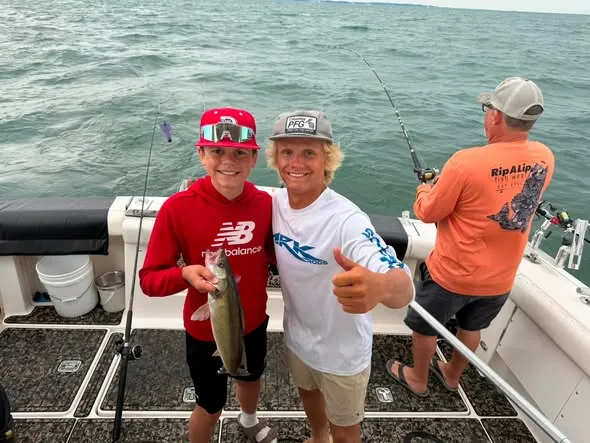
Understanding Brown Trout Behavior
Catching more brown trout begins with understanding how they respond to their surroundings. Water temperature, available forage, and seasonal changes all influence where fish spend their time and how actively they feed. Whether you're fishing from your own boat or booking a brown trout charter, knowing these patterns gives you a better chance of locating active fish.
How Brown Trout Feed
Brown trout are opportunistic predators that feed on baitfish, insects, and other available forage. Rather than feeding continuously throughout the day, they often become more active during low-light periods or when changing weather conditions encourage feeding.
Where They Spend Most of Their Time
Their preferred location changes with the season. During cooler months, brown trout are commonly found in shallower water, while warmer conditions often push them toward deeper areas with comfortable temperatures and plentiful bait.
How Water Temperature Changes Their Location
Water temperature plays a major role in determining where brown trout hold. As the lake warms or cools, trout adjust their depth to remain in favorable conditions while staying close to food sources.
Why Brown Trout Move During the Year
Seasonal changes influence spawning behavior, baitfish movement, and water conditions. Instead of remaining in one location, brown trout continually shift throughout Lake Ontario as these conditions evolve.
Small Changes That Often Lead to More Brown Trout
Many successful anglers improve their catch rates by making small adjustments rather than completely changing their fishing strategy. Paying attention to daily conditions and remaining flexible often produces better results than relying on the same approach every trip.
- Fish the First Few Hours: Early morning and the last hours before sunset often provide some of the day's most active feeding periods.
- Watch Water Clarity: Clear water usually calls for more natural lure presentations, while stained water may require brighter colors that are easier for trout to locate.
- Cover Water Slowly: Controlled trolling speeds often produce more natural lure action and give trout additional time to strike.
- Follow Baitfish: Brown trout rarely stay far from their primary food source, making bait activity one of the best indicators of productive fishing areas.
- Change Lures Regularly: If fish stop responding, switching lure colors, sizes, or actions can often trigger additional strikes.
Seasonal Brown Trout Strategies
Brown trout can be caught throughout much of the year, but seasonal conditions influence where they hold and how they feed. Adjusting your strategy to match these changes helps improve your chances of consistent success.
1. Early Spring
Cool water temperatures often keep trout relatively close to shore, creating excellent opportunities for anglers targeting shallow water.
2. Late Spring
As baitfish become more active, brown trout begin spreading into larger feeding areas while remaining accessible to trolling anglers.
3. Summer
Warmer temperatures frequently push trout into deeper water where they follow cooler temperatures and abundant forage.
4. Fall
Cooling water encourages increased feeding activity, making fall another productive period for targeting quality brown trout.
5. Winter Opportunities
Where conditions allow open-water fishing, brown trout continue feeding, although weather and water temperatures largely determine accessibility.
Choosing Lures That Match the Conditions
The most effective lure isn't always the newest or most expensive one. Brown trout respond to presentations that closely resemble the baitfish they're feeding on, so matching your lure to current lake conditions often produces better results than using the same setup all day. During certain parts of the season, anglers targeting steelhead fishing Lake Ontario may also find success with many of these same lure styles because both species often feed on similar forage.
Spoons
Spoons remain one of the most reliable options for brown trout because their flash and action imitate injured baitfish. They perform well across a variety of trolling speeds and water conditions.
StickbaitsStickbaits
Stickbaits are particularly effective when brown trout are feeding closer to shore or holding higher in the water column. Their natural swimming action often triggers aggressive strikes.
Natural Colors
Silver, white, black, and baitfish-patterned lures generally work well in clear water where trout have excellent visibility.
Bright Colors
Chartreuse, orange, pink, and other bright patterns can improve visibility in stained water or on cloudy days when light penetration is reduced.
Matching Lure Size to Baitfish
Observing the size of local baitfish can help determine which lure profile is most likely to attract feeding trout. A close match often produces more consistent action.
Mistakes That Keep Anglers From Catching Brown TroutMistakes That Keep Anglers From Catching Brown Trout
Even experienced anglers occasionally overlook simple adjustments that could improve their results. Understanding these common mistakes makes it easier to adapt when fishing conditions become challenging.
Why aren't brown trout biting?
Brown trout may become less active because of changing weather, shifting water temperatures, or reduced baitfish activity. Adjusting your location or lure presentation often helps.
Why do brown trout seem harder to catch during the afternoon?
Bright sunlight can encourage trout to move deeper or become less aggressive, making early morning and evening productive times to fish.
Should you immediately fish deeper if catches slow down?
Not always. Trout may move horizontally to follow bait rather than changing depth, so checking nearby water before making major adjustments is often worthwhile.
Why does trolling speed matter so much?
Small speed changes alter lure action. A slight increase or decrease may create the movement needed to trigger strikes from following fish.
Why Location Matters More Than Expensive Equipment
Quality equipment certainly helps, but finding active fish is usually far more important than owning the newest rod or reel. Brown trout constantly move in search of comfortable water temperatures and abundant forage, making location one of the biggest factors in fishing success.
Successful anglers pay close attention to shoreline structure, drop-offs, bait concentrations, temperature changes, and seasonal fish movement. Learning to read these conditions often provides greater long-term success than simply purchasing additional gear.
Fishing Multiple Species During the Same Trip
One of the advantages of fishing Lake Ontario is the opportunity to encounter several popular game fish during a single outing. As conditions change throughout the season, experienced captains running a king salmon charter on Lake Ontario often adjust their strategy to target whichever species are feeding most actively.
- Brown trout frequently remain an excellent target during cooler portions of the season.
- King salmon may become the primary focus as offshore fishing reaches its peak.
- Steelhead often share productive offshore water while feeding on the same baitfish.
- Daily conditions determine which species offer the best opportunities.
Experience Brown Trout Fishing with Captain Ken's Wild Wings
Brown trout fishing is rarely about luck. Success comes from understanding how fish respond to changing temperatures, forage movement, weather, and lake conditions throughout the season. Captain Ken's Wild Wings uses that day-to-day knowledge to build each trip around where fish are actively feeding rather than relying on the same locations every outing. This flexible approach gives anglers more opportunities to stay on productive water as conditions evolve.
Many anglers also appreciate the chance to sharpen their fishing skills while they're on board. From selecting the right lure presentation to making small adjustments in trolling speed and depth, Captain Ken shares practical insights that help guests understand why certain techniques work under specific conditions. The result is not only a productive trip but also a more rewarding overall fishing experience.
Conclusion
Brown trout remain one of Lake Ontario's most dependable game fish because they provide exciting fishing opportunities through much of the season. Learning how seasonal movements, water temperatures, lure choices, and daily conditions influence their behavior allows anglers to fish with greater confidence and make better decisions each time they head onto the lake. Even small adjustments can significantly improve success when conditions change.
If catching more brown trout is on your fishing bucket list, let Captain Ken's Wild Wings help turn that goal into reality. Reserve your Lake Ontario charter today and spend the day fishing alongside an experienced captain who knows how to adapt to the lake's ever-changing conditions.
Frequently Asked Questions
1. When is the best time to catch brown trout on Lake Ontario?
Brown trout can be caught throughout much of the year, with spring and fall often providing particularly productive fishing conditions.
2. Where are brown trout usually found?
Their location changes seasonally, ranging from shallow nearshore water during cooler months to deeper areas as water temperatures increase.
3. What lures work best for brown trout?
Spoons, stickbaits, and other baitfish-imitating lures consistently produce good results under a variety of conditions.
4. How important is water temperature when targeting brown trout?
Water temperature is one of the biggest factors affecting where brown trout feed and how actively they bite.
5. Can beginners catch brown trout?
Yes. Guided charters provide the instruction, equipment, and local knowledge needed for anglers of all experience levels.
6. Do brown trout stay in the same area all year?
No. They move throughout the seasons in response to changing water temperatures and baitfish activity.
7. Can brown trout and salmon be caught on the same trip?
Yes. Depending on the season, anglers often have opportunities to target multiple species during a single outing.
8. Does weather affect brown trout fishing?
Yes. Wind, cloud cover, water clarity, and temperature changes all influence trout behavior and feeding activity.
9. What should I bring on a brown trout charter?
Bring weather-appropriate clothing, non-slip footwear, polarized sunglasses, sunscreen, food, drinks, and a valid fishing license if required.
10. Why choose Captain Ken's Wild Wings?
Captain Ken's Wild Wings combines local Lake Ontario experience, quality equipment, and personalized guidance to create enjoyable fishing trips built around current conditions rather than a one-size-fits-all approach.