/filters:format(jpeg,png)/fit-in/300x300/guide_websites/3987/images/275236082_4865297800219567_9093143645990553336_n.jpg)
/filters:format(jpeg,png)/fit-in/237x80/guide_websites/3987/images/275236082_4865297800219567_9093143645990553336_n.jpg)
The Ultimate Guide to Duck Hunting in Ohio
%2Ffit-in%2F1000x1000%2Ffilters%3Aformat(webp)%2Fguide_websites%2F3987%2Fimages%2F1753856307003500063503_1239040374897300_2229376835363058475_n.jpg&w=1920&q=75)
Published: April 1, 2026
Ohio has long been a prime destination for waterfowl enthusiasts thanks to its rich wetlands, river systems, and proximity to the Lake Erie shoreline. Every year, thousands of migratory birds travel through the region, creating excellent opportunities for duck hunting in Ohio. Much of northwest Ohio lies within the historic Great Black Swamp, one of the most important waterfowl migration corridors in the Midwest. This region continues to attract large numbers of migrating ducks each fall, creating consistent hunting opportunities across the Lake Erie marshlands.
Successful duck hunting in Ohio depends on understanding migration timing, weather patterns, and the marsh habitats that attract large concentrations of birds each season. Hunters who pay attention to these seasonal movements often find productive opportunities across the Lake Erie marshlands and surrounding wetlands.
Duck Hunting in the Historic Black Swamp Region
Much of northwest Ohio sits within the historic Great Black Swamp, a massive wetland system that once covered large areas along the western Lake Erie shoreline. This region has long served as a natural migration corridor for waterfowl traveling through the Midwest flyways.
Today, the marshes and wetlands that remain continue to attract large numbers of ducks each season. These habitats provide feeding areas, resting locations, and protection for migrating birds. Because of this natural migration route, the region around Lake Erie consistently produces strong duck hunting opportunities during peak migration periods.
When Duck Hunting Season Starts in Ohio
Ohio’s waterfowl hunting calendar follows migration cycles and seasonal weather patterns. Understanding when each phase begins helps duck hunters prepare properly and choose the right time for successful duck hunting in Ohio.
Early Teal Season
Early teal season usually begins in early fall and focuses on fast-moving blue-winged and green-winged teal. These early migrants arrive before the main waterfowl movement begins. Hunters often target shallow wetlands, marsh edges, and flooded fields during this period. This short early season primarily targets smaller teal before the main migration of larger puddle ducks begins later in the fall, and examines early-season bird behavior.
Regular Duck Season
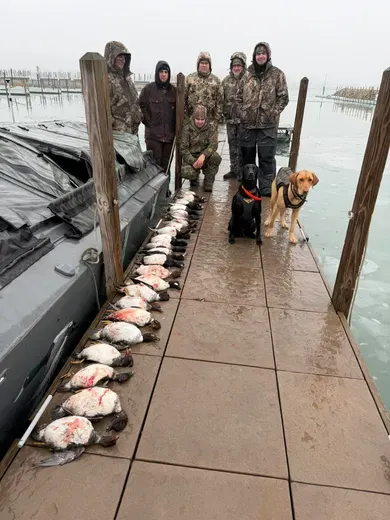
Although Ohio offers an early teal season in September, many hunters in the Lake Erie marsh region wait for the larger migrating ducks that arrive later in the fall. Guided hunts typically begin in October when the first strong cold fronts start pushing mallards, northern pintails, and American wigeon into the marshes. These larger puddle ducks make up the majority of the fall harvest in northwest Ohio.
Late Winter Hunting Opportunities
Late-season hunting often occurs when colder temperatures push migrating ducks farther south across major flyways. Frozen wetlands can concentrate birds around open water areas, creating productive conditions for hunters. Weather patterns, wind direction, and snowfall strongly influence bird movement. Paying attention to these conditions can improve results during duck hunting trips in the final weeks of the season.
Understanding Duck Species Commonly Found in Ohio
Ohio’s wetlands and marshes attract a wide range of migratory ducks each season. Hunters in the Lake Erie marsh region frequently encounter several large migratory duck species during the peak fall migration. Recognizing these birds helps hunters follow regulations, avoid mistakes, and practice responsible duck hunting in Ohio. Proper species identification also supports conservation efforts and ensures hunters stay within legal bag limits during the season.
Mallards
- Mallards are considered the No. 1 and most targeted duck species in the region.
- Males have a distinctive green head and yellow bill.
- Frequently seen feeding in marshes, flooded fields, and shallow water areas.
Northern Pintails
- Recognized by their long, pointed tail feathers.
- Prefer open wetlands and flooded fields during migration.
- Known for graceful flight and cautious behavior around hunting areas.
American Wigeon
- Often called "baldpates" by hunters because of the white patch on the head.
- Commonly found in marshes and flooded wetlands during fall migration.
- Frequently appear in mixed flocks alongside mallards and pintails.
Wood Ducks
- Known for their bright colors and striking patterns.
- Often found near wooded swamps, ponds, and slow rivers.
- Early-morning and evening movements keep them active during prime duck-hunting hours.
Teal
- Small, fast-flying ducks that travel in tight flocks.
- Common during early migration periods in shallow wetlands.
- Blue-winged and green-winged teal are the most frequently spotted species.
Gadwalls
- Medium-sized ducks with subtle gray and brown feather patterns.
- Often seen feeding in marsh vegetation and calm wetland waters.
- Usually travel in groups and mix with other waterfowl species.
Migration Timing and Weather Patterns
Duck movement across northwest Ohio closely follows seasonal weather changes. Cold fronts moving south from Canada often trigger strong migration waves across the Lake Erie marsh region. Many experienced hunters watch weather systems closely because new birds often arrive immediately after temperatures drop.
Key Migration Triggers
- Cold fronts between late October and December often bring major flights of migrating ducks.
- Snow and ice forming north of Ohio push fresh birds south into the marshes of the historic Great Black Swamp.
- These weather-driven movements create some of the most productive hunting conditions of the season.
Best Locations for Duck Hunting in Ohio
Ohio offers several well-known waterfowl habitats where migrating ducks regularly stop to rest and feed. Wetlands, marshes, and wildlife areas across the state create productive environments that regularly attract migrating waterfowl during the fall season.
Lake Erie Marshes and Shoreline Wetlands
The marshes and coastal wetlands along Lake Erie provide some of the most productive waterfowl habitats in the state. Migrating ducks frequently stop here while traveling through major flyways. Shallow waters, vegetation, and sheltered shoreline areas attract mallards, teal, and pintails. These wetlands create excellent conditions for early morning hunts during peak migration periods for duck hunting in Ohio.
Magee Marsh Wildlife Area
Magee Marsh is widely recognized for its rich wetland ecosystem and strong waterfowl activity. Located along the Lake Erie shoreline, this wildlife area offers managed marsh habitats that attract large numbers of migratory birds. Hunters often encounter species like mallards, teal, and gadwalls here. The area’s shallow pools and feeding grounds support productive mornings for waterfowl enthusiasts.
Ottawa National Wildlife Refuge
Ottawa National Wildlife Refuge protects thousands of acres of wetlands that support migratory birds traveling through the region. The refuge provides essential resting and feeding areas for many duck species during fall migration. Nearby hunting zones benefit from these healthy habitats. Bird activity around the refuge can create excellent opportunities for hunters exploring the surrounding marshlands and water channels.
Killdeer Plains Wildlife Area
Killdeer Plains Wildlife Area features large managed wetlands and open water habitats designed to support waterfowl populations. Located in north central Ohio, it attracts ducks throughout migration seasons. Flooded fields and shallow marsh areas create feeding grounds for species like pintails and gadwalls. These habitats make the region a reliable destination for hunters seeking consistent waterfowl movement.
Essential Gear for Duck Hunting in Ohio
Successful waterfowl hunting requires equipment that supports safety, comfort, and effectiveness in wetland environments. Reliable gear allows hunters to stay mobile in marsh conditions, manage changing weather, and remain concealed while waiting for migrating birds.
- Shotgun for Waterfowl Hunting: A reliable semi-automatic or pump shotgun designed for waterfowl provides dependable performance during active hunts and allows hunters to manage multiple shots when birds approach decoy spreads.
- Non-Toxic Shotgun Shells: Waterfowl regulations require non-toxic ammunition such as steel or bismuth, protecting wetland habitats while supporting responsible duck hunting practices.
- Chest Waders: Waterproof chest waders allow hunters to move through marshes, shallow lakes, and flooded fields while staying dry and comfortable during long hunts.
- Duck Decoys: Realistic floating decoys help create natural-looking spreads that attract migrating birds and encourage ducks to approach landing zones.
- Duck Calls: Duck calls help imitate feeding or greeting sounds that can draw passing birds toward a decoy setup.
- Camouflage Clothing: Camouflage jackets, hats, and gloves help hunters blend into marsh vegetation and avoid alerting cautious ducks approaching the area.
Basic Duck Hunting Techniques
Effective duck hunting relies on understanding bird movement, wind direction, and marsh conditions. Hunters who observe flight patterns and adjust their setups accordingly often experience more consistent opportunities during active migration periods.
- Setting Up Decoys Properly: Arrange decoys in natural-looking patterns while leaving open landing spaces where approaching ducks can safely circle and land.
- Using Concealment Effectively: Position blinds near natural vegetation, reeds, or shoreline cover to remain hidden while birds approach the decoy spread.
- Using Duck Calls Strategically: Controlled greeting and feeding calls can encourage passing birds to circle the area and investigate the decoy setup.
- Timing Your Shots Carefully: Waiting until ducks are within effective range improves accuracy and helps prevent unnecessary disturbance to incoming flocks.
- Observing Duck Behavior: Watching flight paths, wind direction, and feeding movement helps hunters predict where ducks are likely to approach and adjust positioning accordingly.
Conclusion
Ohio offers excellent opportunities for duck hunters thanks to its rich wetlands, major migration routes, and well-managed habitats. Timing hunts around cold fronts and peak migration periods often produces the most consistent duck hunting across the Lake Erie marsh region. Timing hunts around cold fronts and peak migration periods often produces the most consistent duck hunting across the Lake Erie marsh region. For those seeking a smoother start, professional guides offer guided hunts designed to help duck hunters build confidence and improve success in the field. Book your next hunting experience with Captain Kens Wild Wings and enjoy a well-organized waterfowl adventure in Ohio.
FAQs
1. Do I need a special license to hunt ducks in Ohio?
Yes, hunters must carry a valid Ohio hunting license, a state waterfowl permit, and a federal migratory bird stamp. These permits help regulate harvest and support conservation programs.
2. What time of day is best for hunting ducks?
Early morning, around sunrise, is often the most productive time since ducks move from resting areas to feeding spots. Evening hunts can also provide opportunities during active flight periods.
3. How important is scouting before a duck hunt?
Scouting helps hunters locate feeding areas, flight paths, and resting sites. Observing bird movement before hunting improves setup decisions and increases the chances of successful shots.
4. What weather conditions improve duck hunting success?
Cold fronts, strong winds, and changing weather patterns often trigger migration and increase duck movement. These conditions encourage birds to fly lower and search for new feeding areas.
5. Can beginners participate in guided duck hunting trips?
Yes, many guided hunting services welcome beginners and provide instruction, equipment, and local knowledge. This support helps new hunters learn techniques while gaining practical experience in the field.